
openhome — Business Plan

Your home. Your data. Your keys.
openhome is an open-source, local-first smart-home platform — a hub + agent + a Tapo-scale
catalog of cameras, locks, lights, plugs, and sensors — that people own outright. No
subscription to unlock your own front door, no vendor cloud holding your footage hostage.
*This is a working plan. Market figures are third-party estimates (sources at the end);
financials are illustrative assumptions to be validated, not forecasts.*
1. Executive summary
The smart home is booming but broken. It's a $130–230B market growing ~12–26%/yr
(estimates vary by firm), yet it runs on rented software: dead hubs, revoked features,
subscriptions to view your own cameras, and data flowing to clouds you don't control.
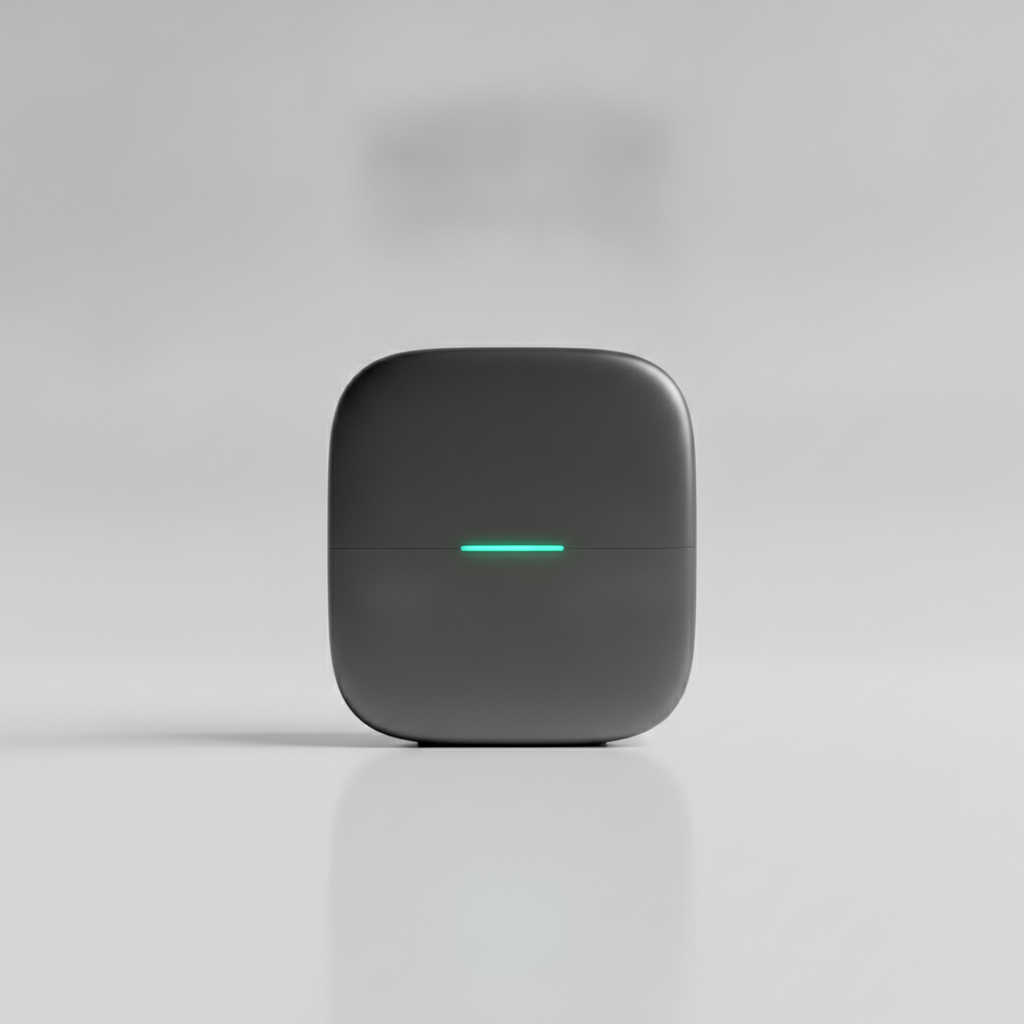
openhome flips the model. You buy (or build) a small openhome box — a hub with storage
and enough compute for a local LLM. It runs everything on your LAN, speaks open protocols
(Matter, Zigbee, Z-Wave, ONVIF/RTSP), and an agent operates the house and answers
questions from your own footage and your own model. Cloud is strictly opt-in.
We make money the honest way: hardware sales (the box + first-party devices), a
certification program ("openhome Certified"), and optional cloud services (remote
access, off-site backup, hosted-LLM credits) that add convenience but never gate core
function. Precedent: Nabu Casa (Home Assistant) reached ~$4M/yr, subscriber-funded, no
investors — and that's software only. We add hardware margin and a brand with a point of view.
2. Mission & thesis
Mission: give people true ownership of their homes — the devices, the data, and the
intelligence that runs them.
Thesis: three forces make now the moment:
- Privacy backlash — people are done being the product; "local" and "own your data" now sell.
- Matter/Thread — an open interoperability standard finally lets a neutral hub talk to everyone's devices.
- Local LLMs — capable models now run on a $500–1500 box, so the "agent that runs your home" no longer needs the cloud.
No incumbent can fully follow us here: their business is the cloud lock-in and the data.
3. The problem
- You rent your own home. Camera history, smart-lock logs, even notifications sit behind monthly fees.
- Hubs die. When a vendor sunsets a product or gets acquired, your gear bricks.
- Surveillance by default. Footage and presence data leave the house; breaches and hand-overs follow.
- Walled gardens. Devices refuse to talk across brands; you're locked into one ecosystem.
- The DIY escape is too hard. Home Assistant is powerful but intimidating; normal people can't self-host it.
4. The solution
openhome = one box, open protocols, an agent, and a brand that makes ownership easy.
- The openhome box — plug-and-play hub: local storage (NAS), local LLM compute, radios for Matter/Zigbee/Z-Wave.
- Open device support — works with certified third-party gear and our own first-party line.
- The agent — monitors, automates, and answers ("who came to the door at 2pm?") from local footage + local model; cloud model opt-in.
- The app — clean control surface that talks only to your box.
- Privacy by construction — nothing leaves the house unless you flip a specific switch.
5. Market opportunity
| Metric | Estimate (2026) | Notes |
|---|---|---|
| Global smart-home market | $130B – $230B | Wide range across firms; midpoint ~$180B |
| Growth (CAGR) | ~12% – 26% | Strong across all estimates |
| Wedge segments | Cameras, locks, lighting, hubs | Tapo's exact catalog — proven demand |
Beachhead (SOM): privacy-conscious prosumers, self-hosters, the Home Assistant / r/homeautomation
/ Ubiquiti crowd — millions of people who already distrust Ring/Nest and want local. Land here,
then expand to mainstream via the "just works" box.
Adjacent tailwinds: right-to-repair sentiment, EU data regulation, the "de-Google/de-Amazon"
movement, and rising home-insurance interest in monitored security.
6. Competitive landscape
| Player | Model | Strength | Where they can't follow us |
|---|---|---|---|
| Tapo / TP-Link | Cheap first-party devices, app, optional cloud | Price, breadth, retail reach | Data stays theirs; closed; no local agent |
| Ring / Nest (Amazon/Google) | Hardware loss-leader + subscription + ads/data | Brand, polish | Their business is the cloud & data |
| Wyze | Ultra-cheap cameras + subscription | Price | Trust (breaches); cloud-dependent |
| Ubiquiti / UniFi | Prosumer hardware, software free, local | Ownership ethos, quality | Not agent-driven; steep for normal users |
| Home Assistant / Nabu Casa | Open-source + optional cloud sub | Community, openness | Hard to self-host; no first-party hardware line/brand |
| Apple Home | Privacy-forward, closed ecosystem | Trust, integration | Closed; Apple-only; no ownership of a box/agent |
Our whitespace: *the only player that is open-source, local-first, agent-run, and
sells an easy owned box.* Home Assistant's openness + Ubiquiti's hardware ownership +
Tapo's catalog breadth + an AI agent — under one brand about ownership.
7. Product strategy — the catalog (Tapo as the map)
Tapo proves the shape of demand: hub, cameras, doorbell, locks, lighting, plugs, sensors,
NVR, even vacuums. We mirror that catalog but make every device local-first and open.
Build vs. certify: own the hub and a few hero devices; certify the long tail so
the catalog scales without us manufacturing everything.
| Category | openhome plan | Inspired by |
|---|---|---|
| Hub / box ⭐ | First-party. 3 tiers (Starter/Standard/Power). The heart of the platform. | Tapo H200, Synology, UniFi Dream Machine |
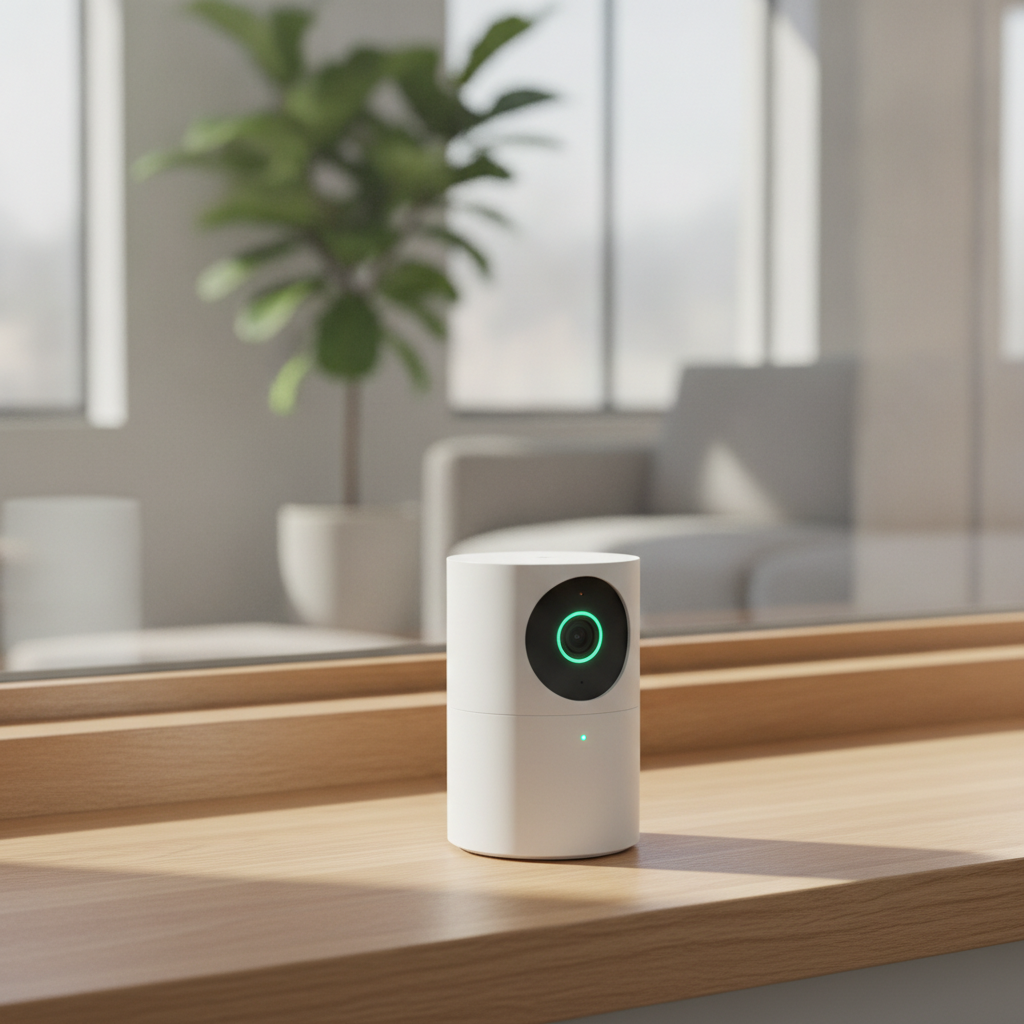
| Cameras ⭐ | First-party ONVIF/RTSP cams w/ local recording; certify Reolink et al. | Tapo Cam, Reolink, Frigate |
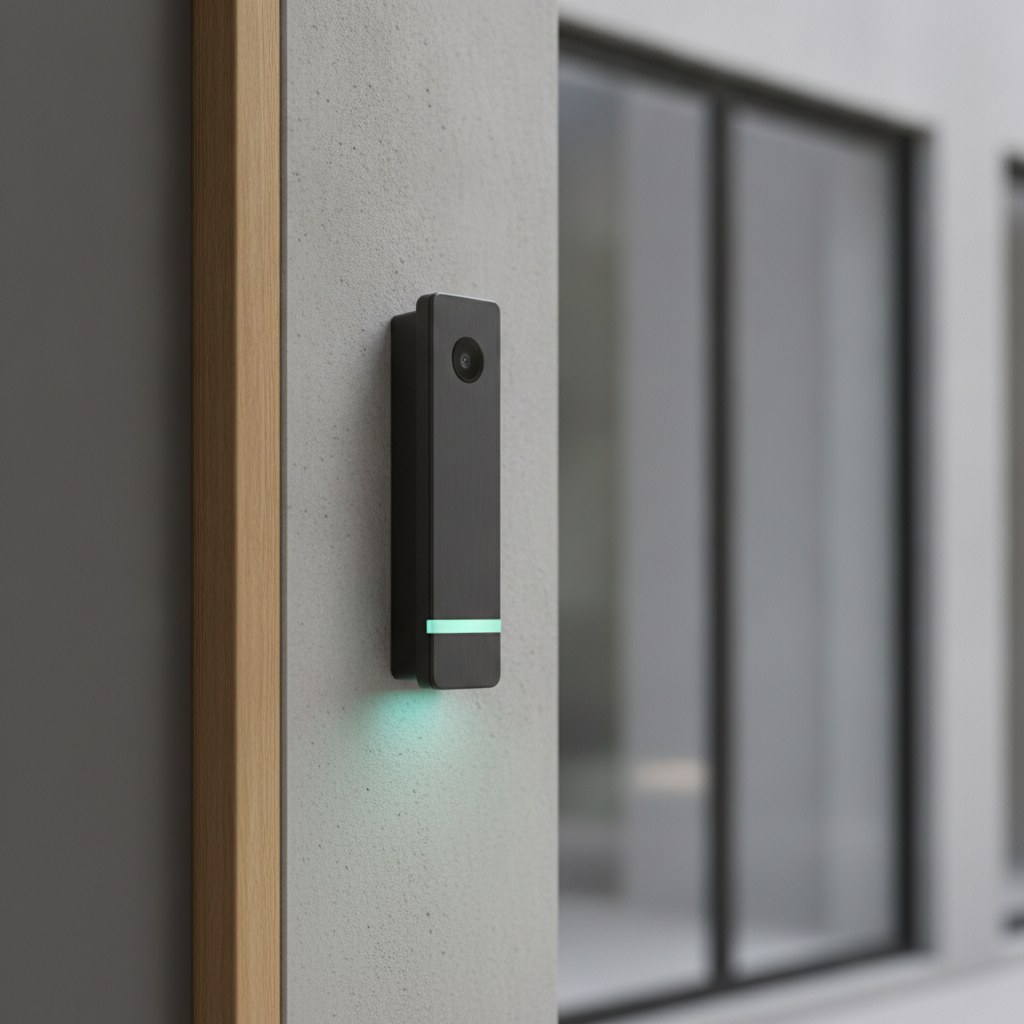
| Video doorbell | First-party hero device. | Tapo/Ring doorbell |
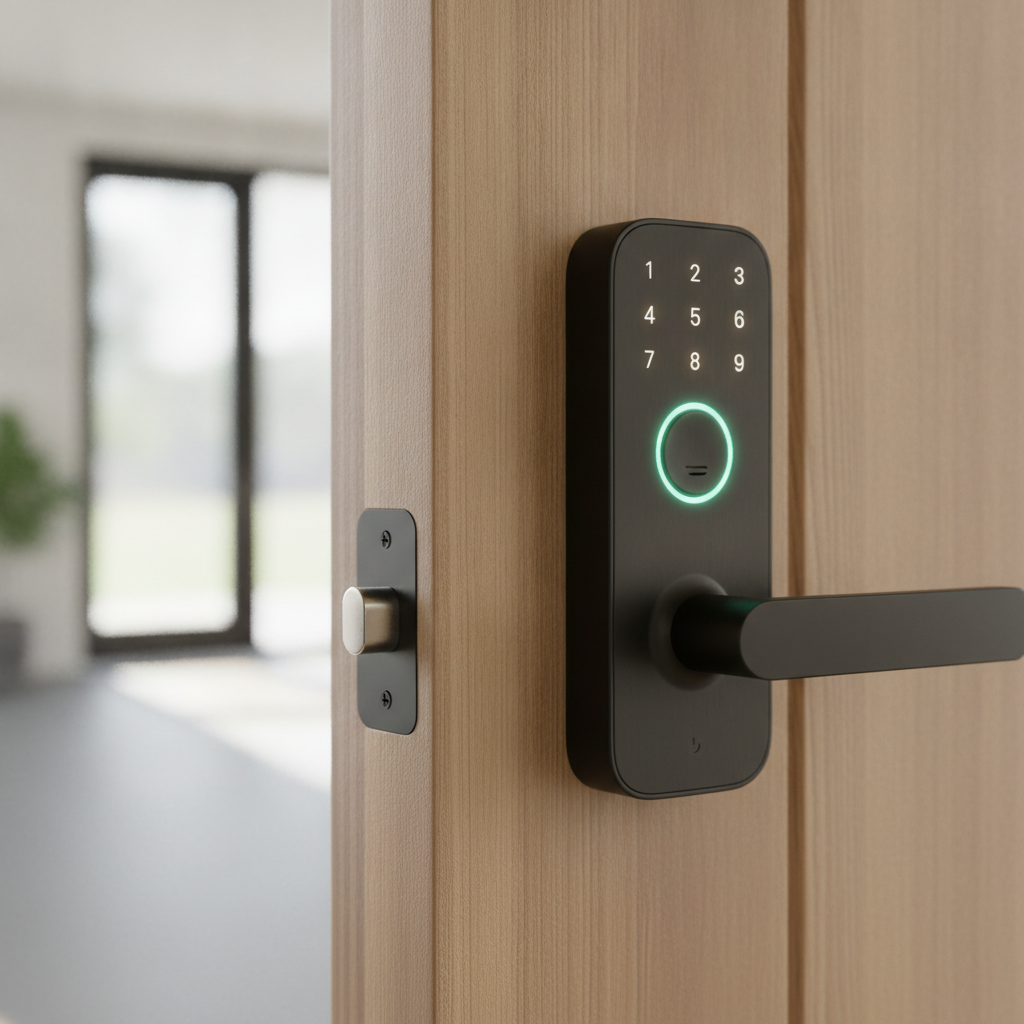
| Smart locks | Certify Matter/Z-Wave locks first; first-party later. Policy-gated unlock. | Tapo PalmKey, August, Yale |
| Lighting | Certify Matter/Zigbee bulbs/switches; optional first-party. | Tapo Atom Link, Philips Hue |
| Plugs & energy | First-party smart plugs w/ local energy metering. | Tapo P-series |
| Sensors | Certify Zigbee/Thread motion/contact/temp. | Aqara, Tapo sensors |
| NVR / storage | The box is the NVR — multi-cam local recording. | Tapo NVR, Synology Surveillance |
| The app ⭐ | First-party. Control, live views, automations, agent chat. | Tapo app, HA Companion |
| The agent ⭐ | First-party. Our defining differentiator. | (nobody — this is our wedge) |
| openhome Pod ⭐ | First-party. Wall-plug ambient node: local mic + edge compute + Thread/WiFi mesh. Fills the home with senses; households buy several. Privacy-first (on-device wake word, hardware mute). | Amazon Echo — but local & auditable. See Concepts |
⭐ = first-party focus / where we invest.
8. Business model & revenue streams
Five streams, ordered by near-term weight. Rule: core function is never behind a paywall.
- Hardware — the box (primary). Sell openhome boxes at healthy hardware margin (30–45%).
Tiers from ~$299 to ~$1,499. This is the anchor.
- First-party devices. Cameras, doorbell, plugs — Tapo-competitive pricing, ecosystem pull-through.
- openhome Certified (licensing). A "Works with openhome" badge + test program. Partners pay
for certification/listing; drives catalog breadth with near-zero COGS. (Mirrors "Works With Home Assistant.")
- Optional cloud services (opt-in, subscription). Remote-access relay, encrypted off-site
backup, hosted-LLM credits, priority support — ~$5–10/mo. Convenience, never a gate.
(Nabu Casa proved this funds an OSS company.)
- Prosumer / SMB & support. Multi-site, extended warranty, install partners, small-business security.
Why this beats the incumbents' model: they subsidize hardware to trap you in data/subscriptions.
We sell honest hardware + optional convenience, and our brand promise is that we don't do the trap.
That's the wedge and the marketing in one.
9. Open-source & certification strategy
- AGPL-3.0 core — hub, agent, adapters, app. Openness builds trust and a contributor flywheel;
AGPL stops a giant from forking it into a closed cloud.
- Open by protocol — Matter/Zigbee/Z-Wave/ONVIF only. No device is a hostage.
- Community-led — public roadmap, adapter SDK, docs. The community writes device support faster than we could.
- Certification = trust + revenue — the badge means "verified local operation, no forced cloud."
Consumers learn to look for it; partners pay to earn it.
- Open core, commercial edges — everything essential is free/open; we monetize hardware and
optional hosted services, exactly where users happily pay for convenience.
10. Pricing (illustrative)
| Product | Price | Comp |
|---|---|---|
| openhome Box — Starter | $299 | Below a Synology + sticks bundle |
| openhome Box — Standard | $699 | vs. UniFi Dream Machine + NAS |
| openhome Box — Power | $1,499 | Local-AI + multi-cam NVR |
| Camera (first-party) | $39–89 | Tapo/Reolink range |
| Video doorbell | $129 | Ring/Tapo range |
| Smart plug | $14 | Tapo P-series |
| openhome Cloud (optional) | $6.99/mo | vs. Nabu Casa $6.50, Ring Protect |
| Certification (partner) | annual fee + per-SKU | vs. "Works With" programs |
11. Go-to-market
- Phase A — Community & credibility. Ship the open-source hub free. Win Hacker News,
r/homeautomation, r/selfhosted, Home Assistant forums, privacy YouTube. Earn the "finally, local + easy" reputation.
- Phase B — The box (crowdfunding). Kickstarter/Crowd Supply for the first openhome box —
the ownership story is made for crowdfunding; validates demand and funds the first run.
- Phase C — DTC + marketplaces. openhome store + Amazon; content-led (privacy, "own your home").
- Phase D — Ecosystem & retail. Certification partners, first-party device line, then retail once volume justifies it.
- Developer motion throughout — adapter SDK + bounties so the catalog outgrows our own team.
12. Financial model (illustrative, to validate)
Directional unit economics — assumptions, not forecasts:
| Yr 1 (community + crowdfund) | Yr 2 (box GA + devices) | Yr 3 (ecosystem) | |
|---|---|---|---|
| Boxes sold | 1,500 | 12,000 | 45,000 |
| Avg box price | $650 | $620 | $600 |
| Hardware gross margin | 30% | 35% | 38% |
| Cloud subscribers | 400 | 6,000 | 30,000 |
| Certification partners | 3 | 20 | 60 |
| Rev (rough) | ~$1.1M | ~$8–9M | ~$30M+ |
Key levers: box margin, attach rate of first-party devices, cloud-sub conversion (Nabu Casa
shows even single-digit % of an OSS base is a real business), and certification scaling.
13. Roadmap to market (ties to the tech ROADMAP)
- Now → Q?: OSS hub MVP (Phase 1: camera + storage + agent). Build community.
- +1 quarter: Reference box spec + installer image; crowdfunding prep.
- +2 quarters: Crowdfunding launch; certification program v1.
- +3–4 quarters: Box GA, first-party camera + doorbell, app polish, optional cloud services.
- Year 2+: Device catalog expansion, retail, prosumer/SMB.
14. Team & operations
Early hires in priority order: embedded/hardware lead (the box), firmware/adapters,
app/design, agent/ML, community/devrel, ops/supply-chain. Contract manufacturing
(ODM) for the box; open community for the long-tail adapters.
15. Risks & mitigations
| Risk | Mitigation |
|---|---|
| Hardware is hard / capital-heavy | Start with a reference spec + certified third-party boxes; crowdfund the first run; ODM not in-house factory |
| Giants (Amazon/Google) copy "local" | They can't abandon data/subscription revenue; AGPL + brand + community is the moat |
| OSS monetization doubted | Nabu Casa/Ubiquiti prove it; we add hardware margin on top |
| Security liability (locks/cameras) | Policy-gated actions, audits, responsible disclosure, no cloud attack surface by default |
| Support burden for non-technical users | The whole point of the box is "just works"; paid support tier; strong docs |
| Matter fragmentation/immaturity | Support Zigbee/Z-Wave/ONVIF today; ride Matter as it matures |
16. Why we win (the moat)
- Trust as a product. "You own it" isn't a feature we bolt on — it's the whole brand, and incumbents structurally can't say it.
- The agent. A local AI that actually runs the home is a capability no closed vendor is positioned to ship privately.
- Open ecosystem flywheel. Community + certification make the catalog grow faster than any single company.
Ambient Pods (see Concepts) turn the home into a mesh of local senses — the Alexa
experience without the surveillance, provably, because the firmware is open.
- Hardware + open-source together. Ubiquiti-style ownership economics with Home-Assistant-style openness — nobody else sits in that box.
17. Funding & the ask
Two viable paths, not mutually exclusive:
- Subscriber/-community-funded (the Nabu Casa route) — stay independent, no investors, slower.
- Seed round to fund the first hardware run + team — faster, needs a crowdfunding proof-point first.
Recommended: OSS + community now → crowdfunding to validate the box → optional seed to scale hardware.
18. Device sourcing & the v1 starter line (white-label strategy)
The rule. White-labeling is right for commodity, low-risk accessories and wrong for the
whole catalog. Rebranded hardware is a commodity trap — no moat, thin margins, and real liability
on cameras and locks. So: **white-label the cheap attach items, certify/partner the risky ones,
and never sell a device that can't run fully local.**
| Category | Day-1 play | Why |
|---|---|---|
| Plugs, bulbs, sensors, buttons | ✅ White-label | Commodity, low-risk, high-attach, easy to guarantee local |
| Cameras | ⚠️ Certify + integrate (ONVIF/RTSP, local NVR) | Security/privacy liability; a hacked "openhome cam" ends the brand |
| Locks | ⚠️ Partner/resell (Matter/Z-Wave) | Physical safety, BHMA/ANSI grading, legal liability |
⚠️ Avoid Tuya as the core. Most white-label smart-home startups are reskinned Tuya, which is
cloud-dependent by default — the opposite of our promise. Prefer **Zigbee, Matter-over-Thread,
Z-Wave, and ESPHome/ESP32** (flashable, provably local). ESPHome is the secret weapon: we own the
firmware and can truthfully say "you own it."
Hidden dependency — the radio. None of the low-power accessories work without a **Zigbee/Thread
coordinator inside the box.** The starter box must ship one (Silicon Labs EFR32-based). This is a
real BOM line people forget.
v1 starter line — 5 accessories + the radio
Reference devices below are the ODM/white-label or certify targets — the ones to buy first, test,
and rebrand or badge.
| SKU | Protocol | Reference / ODM to start | ~Unit cost | Target retail |
|---|---|---|---|---|
| openhome Plug (energy) | Wi-Fi ESPHome or Zigbee | Athom Smart Plug V3 (ESPHome) · Third Reality Zigbee · Sonoff S60 | $8–12 | $14 |
| openhome Bulb (RGBWW) | Wi-Fi ESPHome or Zigbee | Athom RGBWW bulb (ESPHome) · Sengled/IKEA Zigbee | $6–9 | $14–19 |
| openhome Motion sensor | Zigbee / Thread | Aqara Motion P1 · Sonoff SNZB-03 · Third Reality | $5–8 | $15 |
| openhome Contact sensor | Zigbee / Thread | Aqara Door/Window P2 (Matter) · Sonoff SNZB-04 | $4–7 | $13 |
| openhome Button | Zigbee | Aqara Mini Switch · Sonoff SNZB-01 · Third Reality | $4–6 | $15 |
| In-box radio (dependency) | Zigbee + Thread | HA Connect ZBT-2 · Sonoff ZBDongle-E (EFR32MG21) | $12–20 | (in box) |
Certify, don't build (day 1):
- Cameras — Reolink (ONVIF/RTSP, local recording); also Amcrest. Frigate for local AI detection.
- Locks — Aqara U100/U200 (Matter-over-Thread) or Yale Assure 2 + Matter/Z-Wave module.
Where to buy — verified exact products (v1)
Every link below was checked live. All run locally through the openhome hub.
| Product | Role | Protocol | Link |
|---|---|---|---|
| Home Assistant Connect ZBT-2 | In-box radio | Zigbee + Thread | home-assistant.io · Amazon |
| Athom Smart Plug V3 | Plug (energy) | Wi-Fi · ESPHome (local) | athom.tech |
| Athom RGBWW Bulb | Bulb | Wi-Fi · ESPHome (local) | athom.tech |
| Aqara Motion Sensor P1 | Motion | Zigbee 3.0 | aqara.com |
| Aqara Door & Window Sensor P2 | Contact | Matter-over-Thread | aqara.com |
| Aqara Wireless Mini Switch | Button | Zigbee 3.0 | aqara.com |
| Reolink RLC-810A | Camera (certify) | PoE · ONVIF/RTSP (local NVR) | reolink.com |
| Aqara Smart Lock U100 | Lock (certify) | Matter (via Aqara hub) / Bluetooth | aqara.com |
Why the radio earns its keep: the ZBT-2 speaks both Zigbee (P1, Mini Switch) and Thread
(P2/Matter) — one ~$30 dongle covers both stacks.
Lock caveat: the U100 bridges to Matter through an Aqara hub; for no-bridge local, use Z-Wave
(Yale Assure Lock 2 + Z-Wave module) or the Thread-native Aqara U200.
Play: buy 1–2 of each, verify fully-local operation through the openhome hub, then pick the ODM
partner per SKU for the rebrand.
More bulb options (pick by protocol)
| Bulb | Protocol | Why | Link |
|---|---|---|---|
| Athom RGBWW Bulb | Wi-Fi · ESPHome | flashable — we own the firmware | athom.tech |
| Nanoleaf Essentials | Matter-over-Thread | standards-based, premium finish | nanoleaf.me |
| Innr E27 / GU10 | Zigbee 3.0 | 36-SKU range, best value | innr.com |
| Sengled | Zigbee | cheap (note: end-device, doesn't repeat mesh) | sengled.com |
| IKEA (ORMANÄS/TRÅDFRI) | Zigbee | cheapest | ikea.com |
| Philips Hue | Zigbee | premium; pairs to our coordinator without a Hue bridge | philips-hue.com |
Going Z-Wave (locks & security layer)
Z-Wave is the lock/security layer — secure, its own sub-GHz band (no Wi-Fi congestion), long range.
⚠️ It needs its own controller — the ZBT-2 does not do Z-Wave; a Z-Wave box carries two radios.
⚠️ Z-Wave has no real bulb ecosystem — do lighting with a Z-Wave in-wall dimmer + a normal bulb, or
keep Zigbee/Matter bulbs above.
| Role | Product | Protocol | Link | |
|---|---|---|---|---|
| Z-Wave controller | Zooz ZST39 800 LR Stick | Z-Wave Long Range (800) | getzooz.com | |
| Lock | Yale Assure Lock 2 (Z-Wave) · Schlage BE469ZP | Z-Wave | shopyalehome.com | |
| Plug (energy) | Zooz ZEN04 / ZEN15 | Z-Wave | getzooz.com | |
| Dimmer (lighting) | Zooz ZEN72 / ZEN77 | Z-Wave | getzooz.com | |
| Motion / multi | Zooz ZSE11 Q Sensor | Z-Wave | getzooz.com | |
| Contact | Zooz **ZSE41 Open\ | Close XS** | Z-Wave | getzooz.com |
Benchmark — what Home Assistant / Nabu Casa actually ships (audit)
Our closest philosophical competitor. Note what they build vs. what they lean on the ecosystem for:
| Their product | What it is | Our equivalent |
|---|---|---|
| Home Assistant Green (~$99) | turnkey hub | openhome Box — Starter |
| Home Assistant Yellow | hackable PoE hub (CM4/CM5) | openhome Box — Standard |
| Connect ZBT-2 (~$30) | Zigbee + Thread USB radio | our in-box radio |
| Voice Preview Edition (~$59) | voice satellite (Echo-like) | openhome mini / Pod |
| HA OS · Assist · Music Assistant | local voice + automation | our hub + agent |
Takeaway: they build the hub + radio + voice box and do not make sensors, bulbs, or locks —
they lean on the open Zigbee/Z-Wave/Matter/ESPHome ecosystem and monetize hardware + an optional
~$6.50/mo cloud. That is exactly the model we mirror. Our edge: the agent, a curated white-label
accessory line, and no forced cloud.
Links — Green ·
Yellow ·
Appendix — sources
- Smart-home market size/CAGR (2026): MarketsandMarkets, Grand View Research, Fortune Business
Insights, Straits Research, Coherent Market Insights, Precedence Research, Technavio — estimates
range ~$130–230B, ~12–26% CAGR.
- Tapo catalog (CES 2025): TP-Link press; PCWorld; Tapo store — cameras, PalmKey lock, Atom Link
lighting, plugs, sensors, H200 hub, NVR, vacuums.
- OSS smart-home monetization: Nabu Casa / Home Assistant — cloud subscription (~$6.50/mo),
hardware, "Works With" program; ~$4M revenue, subscriber-funded, no external investors.